Her life
Lima, Madrid, Cusco, New York, and the Corsican town where she wrote her book.
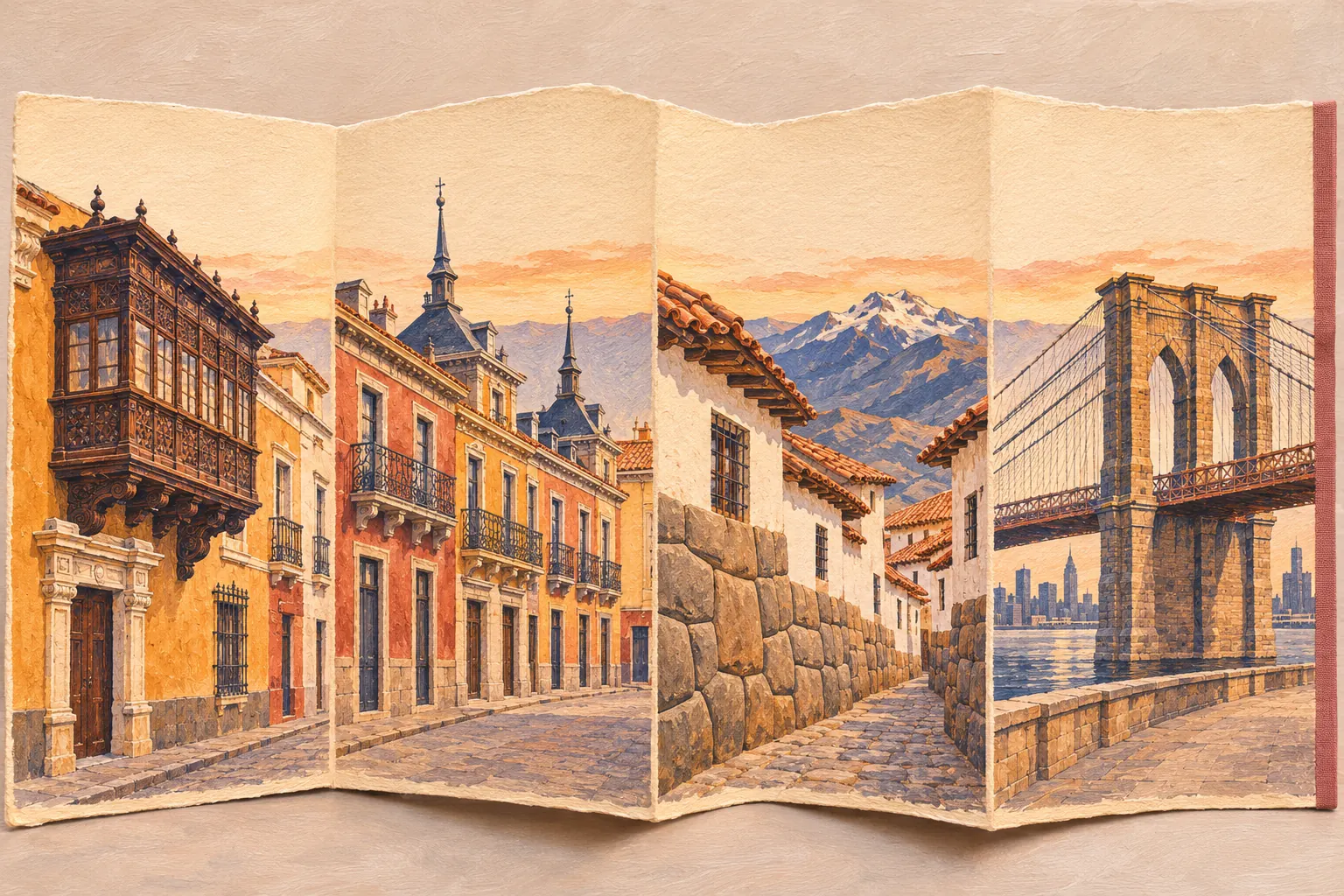
Lima
Maritza Iberico was born in Lima on September 13, 1954, the daughter of Arturo Iberico Guzmán and Aida Navarro Luján de Iberico. She grew up in a Peru that swung between dictatorship and democracy.
As a teenager she persuaded her parents to let her join a student exchange in Minnesota, where she fell in love with the United States and the English language. She finished school at Colegio Inglés Monterrico and studied at the Pontificia Universidad Católica del Perú.
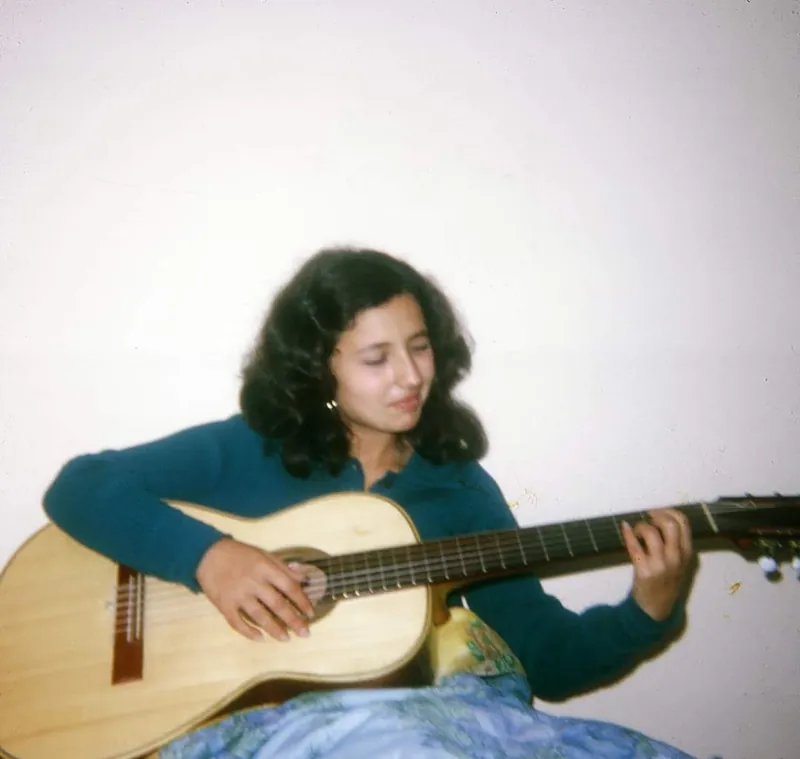
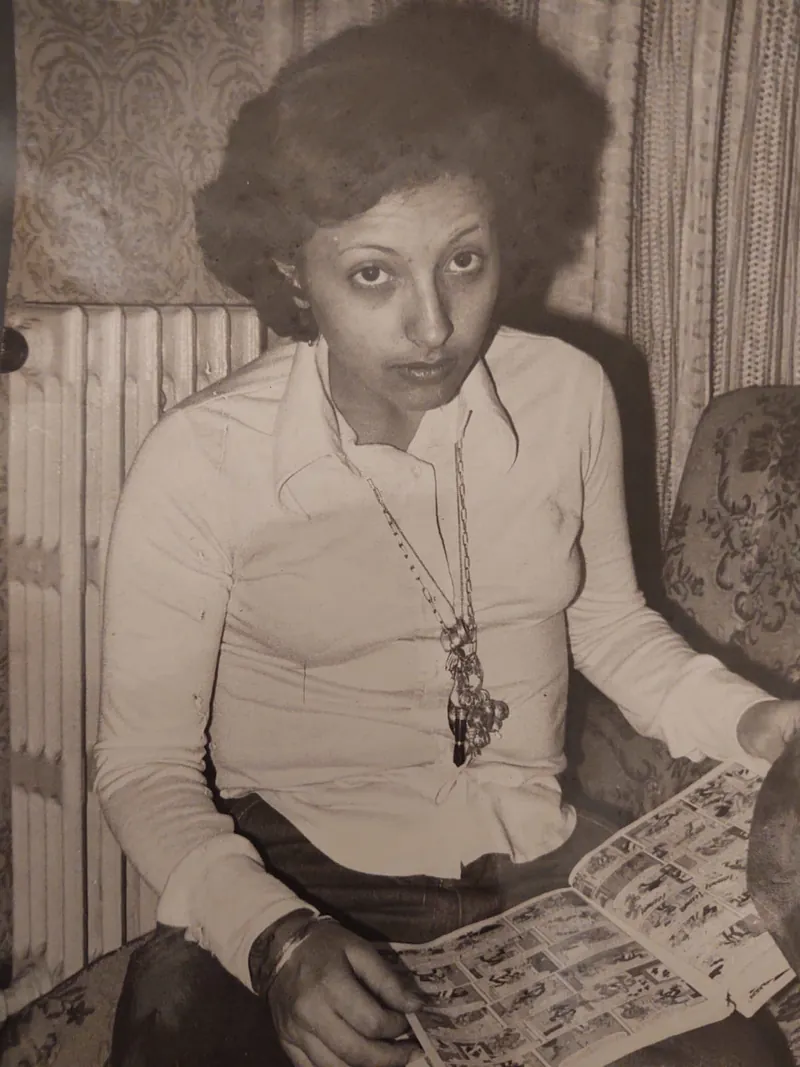
Madrid
In her early twenties she moved to Spain and earned a master’s degree at the Universidad Complutense de Madrid. Spain was still under Francisco Franco, who ruled until his death in 1975. Her son, Bennett, has written that living under those governments left a mark on her.
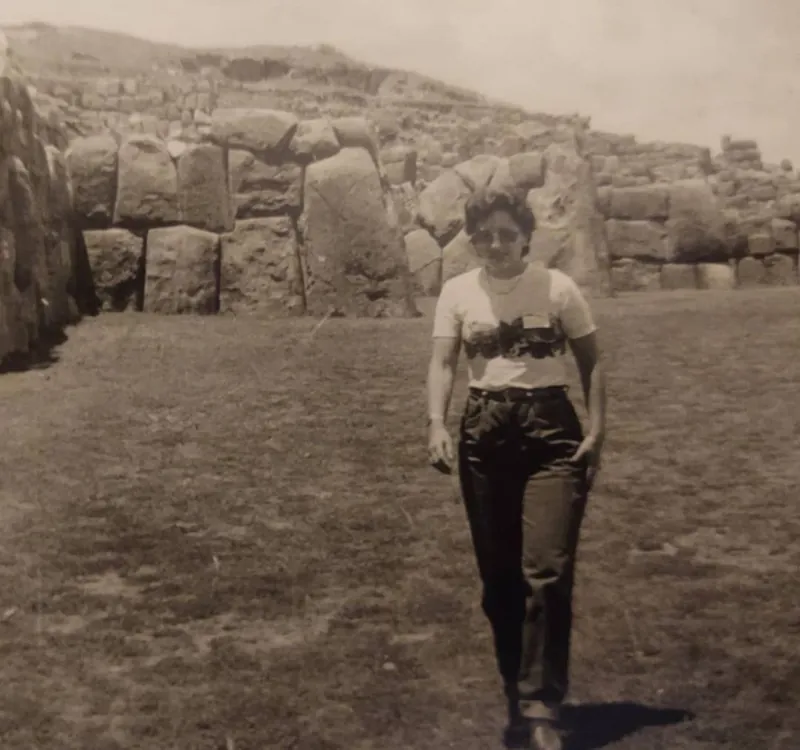
Cusco
In the early 1980s she went back to Peru to prepare for a move to New York, and worked in tourism, leading tours in Cusco. The violence of the Shining Path soon made touring impossible.
New York
In 1984, at 30, she moved to New York, with help from the Minnesota family she had stayed with as a teenager. Her son, Bennett, grew up there.
She taught Spanish for the New York City Board of Education at Ryan Junior High School in Queens, then at Herricks High School on Long Island. She also taught a few semesters in the Spanish literature department at Queens College, where she earned a second master’s degree.
She ran businesses too. With Bennett she exported South American wine to China, and later she worked with Peruvian friends to bring quinoa to the United States. She became president of the Peruvian American Chamber of Commerce of Long Island.
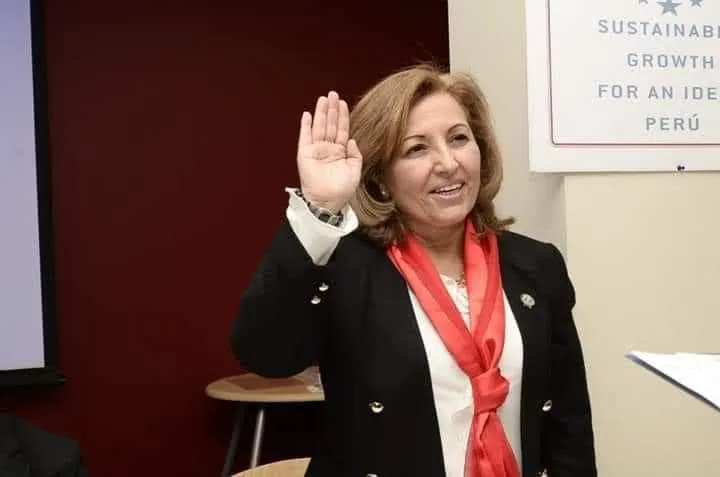
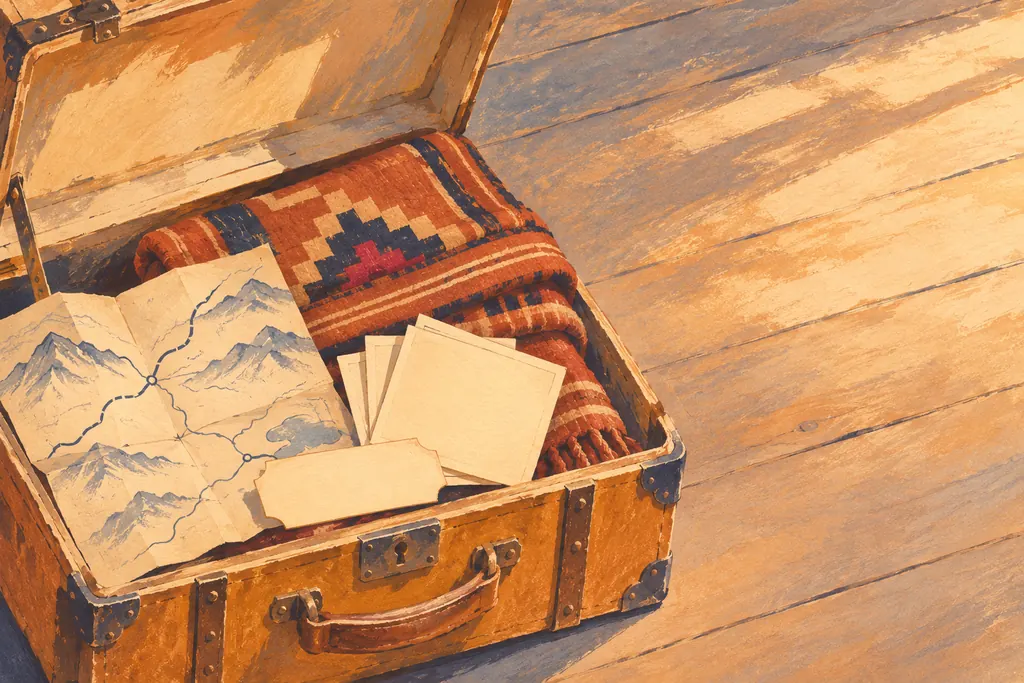
Sartène, Corsica
She retired at 63. She studied French, Italian and Arabic and walked the Camino de Santiago across Spain.
In 2018 and 2019 she wrote her book while traveling to Egypt, Jordan, Israel, France, Spain, Italy, Colombia and Peru. She wrote much of it during summers in Sartène, Corsica, where her sister Rosa Monello helped her format and edit it.
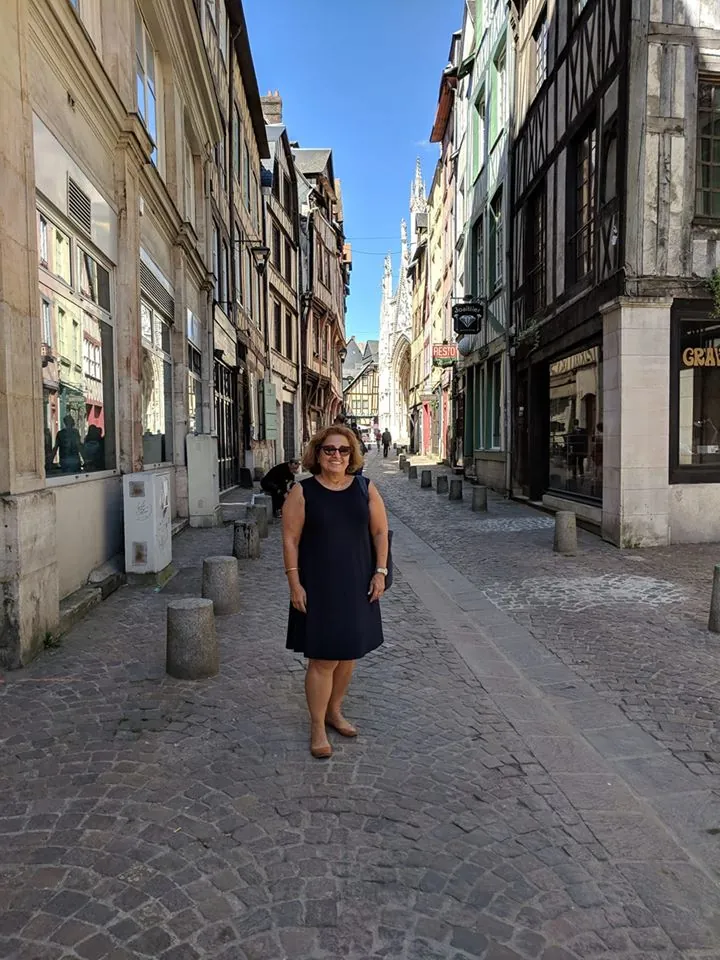
April 2020
She published The Anti-Trump Manifesto in January 2020. That spring she caught COVID-19, and she died on April 20, 2020, at 65.
In September 2020 her family published a new English edition, with a foreword by her son, and the Spanish edition, El Manifiesto Anti-Trump.
Source: Newsday, June 17, 2020
Why she wrote it
In his foreword to the September 2020 edition, her son listed her reasons:
- She was appalled at the direction the country was taking.
- She was shocked by the widespread hate she was seeing expressed around the country towards different groups, including immigrants, which have been instigated and unleashed since the 2016 U.S. Presidential election.
- She felt it was crucial for a woman and ordinary citizens, including immigrants to express themselves and be heard.
- She felt it was important for others to know that immigrants are patriotic, proud to be American, and fiercely protective of the American way of life they chose.
- She was passionate to do something to ignite change and felt that remaining silent was an act of surrender.
- She knew first-hand, after living through fascism in Spain and Peru, the dangerous path we are traveling down in the U.S., and as a proud American, she couldn’t stand to see it happen here too.
Bennett Reiss, from his foreword to the September 2020 edition
In her memory
Her son, Bennett, started the Joie de Vivre MIR Foundation in her name. Every year it gives a scholarship to a student at Herricks High School, where she taught, who plans to study languages in college.